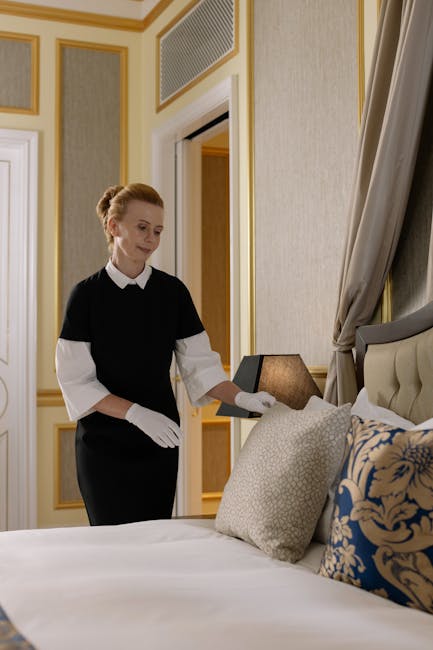
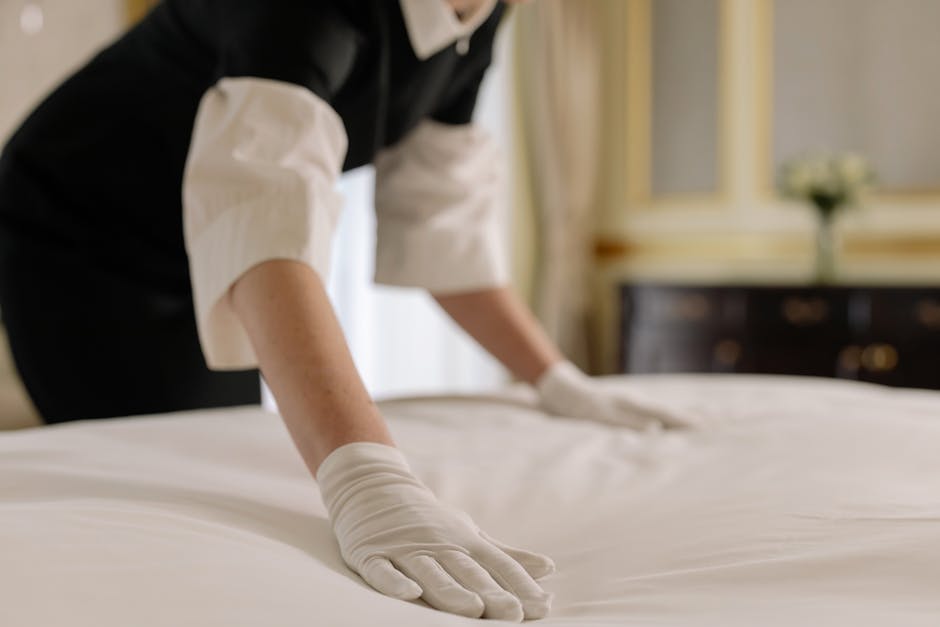
Mayfair W1J Housekeeping Checklist for Berkeley Square
If you live, manage, or regularly host in and around Berkeley Square, a proper Mayfair W1J housekeeping checklist is less of a nice extra and more of a quiet necessity. These homes and offices tend to have a different rhythm from standard city properties: polished finishes, higher footfall, more delicate surfaces, and an expectation that things just look right. Not almost right. Right.
This guide walks you through how to build a practical, room-by-room housekeeping routine for Berkeley Square properties in Mayfair W1J. You will find a simple structure, a realistic checklist, common mistakes to avoid, and a few standards worth keeping in mind if you want the place to stay consistently presentable without making cleaning feel like a full-time second job. Let's face it, nobody wants to spend Saturday morning chasing dust around a grand hallway.
Along the way, we'll also touch on related service choices like house cleaning in Mayfair, domestic cleaning support, and specialist add-ons such as carpet cleaning in Mayfair or upholstery care when fabrics need a deeper refresh.
Why Mayfair W1J Housekeeping Checklist for Berkeley Square Matters
Berkeley Square sits in one of the most recognisable parts of Mayfair, and that matters because properties here are often used differently from a typical residential flat. Some are refined family homes, some are pied-a-terre arrangements, others are managed residences or mixed-use spaces that need to stay sharp throughout the week. In that kind of setting, housekeeping is not only about appearances. It is about protecting materials, preserving order, and reducing the tiny problems that quietly snowball.
A neglected corner in a plain room is one thing. A neglected corner in a high-spec Mayfair townhouse can become a bigger issue fast. Dust settles into mouldings. Lime scale creeps into bathroom fittings. Silk, wool, marble, polished wood, brass, and tailored upholstery all ask for a more careful hand. And if you host often, or have frequent visitors, the standard rises again. People notice the hallway first, then the smell, then the bathrooms. Harsh but true.
This is why a clear housekeeping checklist helps. It gives structure, keeps staff or household members aligned, and makes sure that daily, weekly, and periodic tasks do not get blended into one vague mess. If you are balancing property presentation with a busy London lifestyle, a checklist is not fussy. It is efficient.
For readers exploring the wider context of the area, it may also help to look at what makes Mayfair such a distinctive part of London and why homes here tend to demand a more thoughtful cleaning approach than average city properties.
How Mayfair W1J Housekeeping Checklist for Berkeley Square Works
The simplest way to think about a housekeeping checklist is as a system of layers. Not everything gets done every day, and not everything should. That is where many people go wrong. They either over-clean high-use surfaces and ignore the hidden problem spots, or they try to do everything at once and burn out by Wednesday.
A good Berkeley Square housekeeping routine usually works across four timeframes:
- Daily: visible surfaces, kitchen hygiene, bathrooms, rubbish removal, entryway presentation.
- Weekly: floors, deeper dusting, bed linen changes, glass touchpoints, detailed bathroom work.
- Monthly: skirting boards, inside appliances, upholstery checks, vents, cupboards, and less obvious build-up points.
- Seasonal or occasional: deep cleaning, carpet refresh, window care, storage rotation, and post-event recovery.
This layered approach works especially well in Mayfair W1J because the properties often combine formal entertaining areas with private living areas. A reception room might need immaculate presentation several times a week, while a study or guest suite may need a quieter, less frequent but still thorough routine.
In practice, the checklist should be adjusted to the property's use. A family home near Berkeley Square will need different priorities from a short-let pied-a-terre or a private office suite. It sounds obvious, but it gets overlooked surprisingly often.
If you are comparing service options, a useful next step is reviewing the range of support available through the services overview so you can match the checklist to the type of cleaning actually required.
Key Benefits and Practical Advantages
A well-built housekeeping checklist is not just neat paperwork. It produces practical results you can feel in the property itself. The air feels cleaner. Surfaces stay more uniform. The place stops slipping into that slightly tired look that happens when tiny jobs are missed again and again.
Here are the main advantages:
- Consistency: everyone follows the same standard, even if different people handle different tasks.
- Better presentation: especially useful in prestige streets where first impressions count.
- Lower long-term wear: regular care helps protect flooring, fabrics, fittings, and appliances.
- Less stress: a clear list reduces last-minute panic before guests, viewings, or meetings.
- Faster issue spotting: leaks, stains, odours, loose fixtures, and wear are easier to catch early.
- Cleaner handovers: helpful for lettings, end-of-tenancy changes, or when a property is between occupancies.
There is also a small but real psychological benefit. A tidy, well-run home in Berkeley Square tends to feel calmer. You walk in, set your bag down, and the space answers back with order. That sounds a bit poetic, I know, but anyone who has lived in a busy London postcode will understand the difference immediately.
For landlords, owners, or managing agents, good housekeeping can also support smoother inspections and fewer complaints. If you are planning a turnover or tenancy change, end of tenancy cleaning in Mayfair is often the closest specialist match to the checklist approach.
Who This Is For and When It Makes Sense
This checklist is useful for more people than you might think. Sure, it works well for homeowners, but it is equally relevant for property managers, housekeepers, short-let hosts, private staff, letting agents, and office occupiers in and around Berkeley Square.
It makes particular sense if you are:
- managing a high-spec apartment or townhouse in Mayfair W1J
- preparing a property for frequent guests or formal entertaining
- overseeing staff who need clear standards and a repeatable routine
- trying to keep a rental or managed residence in top condition
- handling a move-in, move-out, or refurbishment handover
- running a discreet office or client-facing space near Berkeley Square
There is also a strong fit for anyone living in a property with mixed materials and finishes. Marble bathrooms, parquet floors, upholstered furniture, curtain treatments, antique pieces, bespoke joinery, and delicate fixtures all need slightly different attention. A generic "clean the house" note is nowhere near enough. Not even close.
For those thinking more broadly about the area and property context, these reads may help: Mayfair property market insights and the realities of living in Mayfair.
Step-by-Step Guidance
Here is a practical way to build and use the checklist without making it overcomplicated. Keep it simple enough that it can actually be followed on a busy day.
1) Start with the zones
Divide the property into zones: entrance, reception rooms, kitchen, bedrooms, bathrooms, utility spaces, and any office, staff, or guest areas. If the property is larger, split by floor. In older Mayfair homes, separate the public-facing rooms from the private rooms. It makes the process much easier to manage.
2) Decide what happens daily
Daily tasks should focus on the obvious: bins, sinks, surfaces, bathrooms, floors with heavy traffic, bedding straightening, and kitchen reset. This is the stuff guests see immediately, and the stuff that turns into a nuisance if left until tomorrow.
3) Add weekly detail
Weekly tasks should catch what daily cleaning misses. That includes dusting above eye level, wiping skirting boards, cleaning mirrors properly, vacuuming under movable furniture, checking fridge shelves, and washing high-touch points such as switches and handles.
4) Put monthly jobs in the calendar
Monthly work is where quality starts to show. Think inside cupboards, extractor fans, decorative trims, deeper bathroom care, mattress rotation if relevant, and spot-checks on upholstery and rugs. In a high-use property, these details matter more than people expect.
5) Match tasks to materials
One of the most useful habits is to pair the task with the surface. Wood needs different care from stone. Silk and wool need different care from cotton. Brass and chrome are not the same thing, despite both looking shiny when someone has done a good enough job.
6) Review after events or peak use
If there has been a dinner, a meeting, or a weekend of guests, do not wait for the normal cycle. Reset the property straight away. That might mean a quicker version of the checklist, followed by a deeper follow-up the next day. A little extra effort early can save a lot later.
7) Keep a note of exceptions
Some properties have quirks: a room used only for storage, a library with fragile books, or a guest suite that stays shut for weeks. Make a note of these. Housekeeping gets much easier when people know which areas need caution, not just effort.
Expert Tips for Better Results
In our experience, the best housekeeping systems are the ones that feel calm and repeatable. Not dramatic. Not heroic. Just solid.
Here are a few refinements that make a real difference in Berkeley Square properties:
- Work top to bottom: dust falls, always. Start high, finish low.
- Use separate cloths for wet and dry tasks: it saves time and prevents smears.
- Keep one tray or caddy per zone: fewer trips, less faff.
- Write down problem spots: the same mark on the same skirting board is a clue, not a coincidence.
- Do a quick "arrival check": imagine a guest stepping inside at 7pm on a damp London evening. What would they notice first?
- Refresh soft furnishings separately: carpets and upholstery often hold odours and dust long after hard surfaces look clean.
A small practical note: if your property has fine rugs or heavy traffic carpets, periodic specialist cleaning makes a noticeable difference. That is one reason many households pair routine housekeeping with professional carpet cleaning in Mayfair for deeper maintenance.
Another tip that saves headaches: build in a quick final walkthrough. Not a full second clean. Just a proper look. Light switches, kitchen handles, taps, mirrors, bins, and corners. Those little details are where a room can quietly lose its polish.
Common Mistakes to Avoid
Most housekeeping problems in prestige areas are not dramatic failures. They are small, repeated misses. That is the tricky part.
- Trying to clean everything equally: some areas matter more than others and need more frequent attention.
- Ignoring touchpoints: handles, remote controls, switches, and taps collect grime fast.
- Using one routine for every surface: delicate finishes need different care.
- Leaving fabrics too long: upholstery, curtains, and cushions can hold dust and odours.
- Skipping hidden areas: behind furniture, under beds, around radiators, and in vents.
- Not assigning ownership: if nobody is responsible, the task usually vanishes into the air.
Another common issue is overusing strong products because the room "doesn't feel clean enough". Truth be told, more chemical smell does not equal better housekeeping. Sometimes it just means ventilation, correct dilution, or a more suitable product is needed.
And yes, time pressure is real. But rushing can be more expensive than doing the job properly. A scratched surface or a damaged fabric is a much more annoying problem than a five-minute delay.
Tools, Resources and Recommendations
The right tools keep the checklist easy to follow. You do not need a mountain of gadgets, just a sensible kit that suits the property.
- Microfibre cloths: for dusting and polishing without spreading debris around.
- HEPA vacuum cleaner: especially useful for fine dust and allergy-sensitive homes.
- Non-abrasive sponges and pads: safer for polished surfaces, stone, and glass.
- Labelled cleaning caddy: keeps products organised by room or purpose.
- Appropriate surface-safe cleaners: always check the label and test carefully if needed.
- Lint-free cloths: handy for mirrors, brass, chrome, and fixtures.
- Protective gloves: useful for longer sessions or stronger products.
For households or managers who prefer using professional help alongside a house plan, it may be worth reading the pricing and quotes page before booking anything. That helps set expectations and avoids awkward assumptions.
If the space also functions as a work setting, compare domestic and commercial needs carefully. A reception area for clients can benefit from regular support via office cleaning in Mayfair, while the private residence side may need a more home-focused routine.
Law, Compliance, Standards, and Best Practice
For most households, housekeeping is guided by common sense and good practice rather than anything complicated. Still, if cleaners, domestic staff, or contractors are involved, there are a few responsible standards to keep in mind.
In the UK, anyone working in a property should be protected by sensible health and safety practices, clear instructions, suitable equipment, and a safe working environment. That does not mean every home needs formal corporate processes, but it does mean you should avoid vague expectations and unsafe shortcuts. Wet floors should be signposted or communicated. Chemicals should be stored properly. Fragile items should be identified. Simple things, really, but they matter.
If you are hiring a service provider, it is wise to understand how they approach safety, liability, and working practices. You can review a provider's health and safety policy and insurance and safety information before making a decision. That is not being overly cautious. That is being sensible.
For businesses or landlords, privacy, access, key handling, and complaints procedures may also matter. A clear process protects both sides. It also makes service easier to trust, which in a place like Berkeley Square is no small thing.
Where specialist cleaning is needed, especially for end-of-tenancy or before a handover, it is worth choosing a provider that explains scope, expectations, and exclusions plainly. No guesswork. No fuzzy promises.
Options, Methods, and Comparison Table
Not every Berkeley Square property needs the same housekeeping model. The best choice depends on use, staffing, and how often the property is occupied. Here is a simple comparison to make the options easier to weigh.
| Method | Best for | Strengths | Limitations |
|---|---|---|---|
| Owner-managed checklist | Smaller households, occasional use, personal oversight | Flexible, low cost, easy to customise | Can drift if no one sticks to the routine |
| Housekeeper-led routine | Regularly occupied homes and formal residences | Consistent standards, good attention to detail | Needs clear instructions and periodic review |
| Professional cleaning support | Busy households, turnovers, deep cleans, mixed-use spaces | Efficient, scalable, useful for specialist tasks | Requires good brief and service matching |
| Hybrid approach | Most Berkeley Square properties | Combines daily care with specialist help when needed | Needs coordination, but usually worth it |
For many properties, the hybrid model is the sweet spot. Daily upkeep stays in-house, and deeper work is handed to specialists. A sensible mix, really.
Case Study or Real-World Example
Imagine a two-storey Mayfair residence close to Berkeley Square with a formal reception room, a family kitchen, two guest bedrooms, and a small home office. The owner travels regularly, and the property hosts dinners every few weeks. At first, housekeeping was handled with a loose verbal routine. It worked, sort of, until the small issues started stacking up: fingerprints on brass handles, dust collecting on wall mouldings, bathroom sparkle fading by midweek, and a couple of rugs looking flat rather than cared for.
Once a proper checklist was introduced, the change was noticeable. Daily reset tasks were kept short and focused. Weekly work concentrated on touchpoints, floor edges, and bathrooms. Monthly jobs covered upholstery, inside cabinets, and the less visible corners. The result was not dramatic in a flashy way. It was better. More stable. Easier to maintain. Guests noticed the rooms felt fresher, and the household stopped scrambling before every visit.
That kind of shift is common. A checklist does not magically clean the house by itself, obviously. But it removes uncertainty. And uncertainty is usually what leads to missed jobs, duplicated work, and frustrated people standing in the kitchen wondering who was meant to handle the bins. A classic scene, honestly.
If the property is preparing for a change of occupancy or a more intense refresh, it may also be useful to compare your checklist with the scope of a deep end-of-tenancy clean so nothing gets overlooked.
Practical Checklist
Use this as a working housekeeping checklist for a Berkeley Square property in Mayfair W1J. Adjust it to the size and use of the space. Keep it visible. Printed, pinned, shared, whatever works.
Daily checklist
- Empty bins and replace liners
- Wipe kitchen worktops and splash areas
- Clean sinks, taps, and visible bathroom surfaces
- Make beds and tidy personal items in shared spaces
- Vacuum or sweep high-traffic floors
- Spot-clean fingerprints on glass, chrome, and handles
- Air rooms briefly where appropriate
- Check that entrances and hallways look presentable
Weekly checklist
- Dust skirting boards, shelves, and decorative surfaces
- Vacuum under furniture where accessible
- Mop hard floors with a suitable product
- Clean mirrors, shower screens, and visible tiles
- Change bed linen and refresh towels
- Wipe appliance exteriors and fridge seals
- Clean door handles, light switches, and remote controls
- Inspect soft furnishings for stains or wear
Monthly checklist
- Deep clean inside cupboards and drawers
- Clean extractor fans, vents, and less obvious dust traps
- Refresh upholstery and cushions
- Detail clean bathroom grout, fittings, and fittings around edges
- Check carpets and rugs for spot treatment needs
- Rotate or inspect mattresses if relevant
- Review supplies and replace worn tools
- Log maintenance issues for follow-up
Seasonal or occasional checklist
- Professional carpet cleaning
- Upholstery refresh
- Window and frame cleaning
- Storage reset and decluttering
- Post-event deep clean
- Pre-arrival or pre-inspection presentation check
Expert summary: the best Berkeley Square housekeeping checklist is short enough to be used every day, but detailed enough to protect premium surfaces, maintain presentation, and reduce last-minute stress. If it needs to be rewritten every week, it is probably too complicated.
Conclusion
A strong housekeeping checklist for Berkeley Square is really about steadiness. It keeps a Mayfair W1J property looking composed, protects the finishes that make the space special, and removes the constant low-grade pressure of wondering what has been missed. Whether you are looking after a private home, a guest-ready residence, or a client-facing office, the same principle holds: small routines done properly beat rushed overhauls every time.
Start with the zones, build the routine around how the property is actually used, and do not be afraid to bring in specialist help for carpets, fabrics, or periodic deep cleans. That mix of everyday care and targeted support is usually the most practical route. And, to be fair, it is the one that tends to keep everything looking quietly effortless.
If you want a cleaner, calmer routine for your property near Berkeley Square, now is a good moment to review your current checklist, tighten the weak spots, and choose the support that fits your home or building best.
Get a free quote today and see how much you can save.
Frequently Asked Questions
What should be included in a Mayfair W1J housekeeping checklist?
It should include daily reset tasks, weekly cleaning jobs, monthly detail work, and occasional deep-clean items. The exact list depends on the property's use, size, and finishes, but bathrooms, kitchens, floors, touchpoints, and soft furnishings should always be covered.
How often should a Berkeley Square property be professionally cleaned?
That depends on how the property is used. A busy family home, a rental, or a property used for entertaining may need more frequent professional support than a quiet pied-a-terre. Many owners use a hybrid approach: daily housekeeping plus periodic specialist cleaning.
Is housekeeping different from regular domestic cleaning?
Yes, usually. Housekeeping tends to include a broader routine, presentation standards, and ongoing upkeep. Domestic cleaning can be more task-based and periodic. In practice, the two often overlap, but housekeeping usually has a stronger focus on consistency and property readiness.
Why does Berkeley Square need a more detailed checklist than a standard flat?
Because the properties often include premium materials, formal rooms, and higher presentation expectations. Dust, marks, and wear show up more easily on polished surfaces and fine finishes, so details matter more.
What is the best way to keep a high-end Mayfair property looking fresh every day?
Keep the daily routine short and disciplined. Focus on bins, bathrooms, kitchens, floors, and visible surfaces. Then back that up with weekly and monthly tasks so the property never drifts too far from standard.
Do I need specialist cleaning for carpets and upholstery?
Not every week, no. But carpets and upholstered furniture in a busy property often benefit from periodic specialist care. Regular vacuuming helps, but it does not remove everything embedded in fibres.
How do I avoid damaging delicate surfaces while cleaning?
Use the right product for the surface, test cautiously if you are unsure, and avoid abrasive pads unless they are specifically suitable. Stone, wood, brass, and fine fabrics all need different treatment. A little caution goes a long way.
Can a housekeeping checklist help with move-out or handover cleaning?
Absolutely. A structured checklist makes it easier to spot missed items, prepare for inspections, and arrange specialist help where needed. It is especially useful for end-of-tenancy situations or pre-sale presentation.
What should I ask before hiring a cleaning service in Mayfair?
Ask about scope, experience with similar properties, safety practices, insurance, scheduling, and how they handle special materials. If the property has unusual finishes or access considerations, make those clear early on.
How do I know whether I need a domestic cleaner or an office cleaner?
Think about the space's primary use. If it is a home, domestic or house cleaning is usually the better fit. If it is a client-facing or work-focused space, office cleaning may be more appropriate. Some Berkeley Square properties need both.
What is the biggest mistake people make with housekeeping checklists?
Making them too vague or too ambitious. If a checklist is unclear, it gets ignored. If it is too long, people stop using it. The best checklist is practical, repeatable, and tailored to the actual property.
Where can I find more information about your services and policies?
You can browse the about us page, review the health and safety policy, and check the insurance and safety information for a clearer picture of how services are handled.