Pet Stain Odour Removal in Mayfair
If you live or work in Mayfair, you already know that homes and premises here are expected to look and feel immaculate. Yet even the best-kept properties can be affected by pet accidents: a dog that has had a moment on a hallway runner, a cat marking a corner of a sofa, or a hidden stain that only becomes noticeable when the weather turns warm. When that happens, the problem is rarely just visual. It is the odour that lingers in soft furnishings, underlay, flooring joints, or upholstery that makes the issue feel impossible to ignore.
Pet stain odour removal in Mayfair is about more than masking smells. It means identifying the source, treating the affected materials correctly, and reducing the chance of the stain or odour returning. In a district where properties range from elegant apartments and serviced residences to boutique offices, clinics, galleries, and luxury short-stay lets, there is a real need for discreet, effective cleaning that fits the property and the schedule. Whether you are dealing with a fresh incident or an older mark that has settled into the room, a local specialist can help restore comfort and confidence without unnecessary disruption.
This service matters particularly in Mayfair because of the mix of high-value finishes, busy households, and compact access routes that can make DIY treatment frustrating or risky. From wool carpets in period buildings to contemporary rugs, designer sofas, and polished hard floors, the wrong product can set a stain, spread the odour, or damage the material. The right approach starts with inspection, proceeds with the correct cleaning method, and finishes with targeted deodorising suited to the fabric and the space.
Why Pet Stains Become an Odour Problem
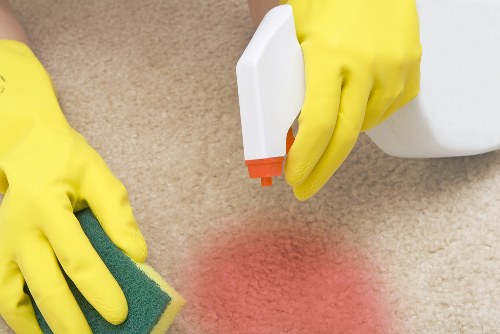
A pet stain is not always obvious at first. A small accident on a carpet may appear to dry out with little sign, but urine, vomit, or faecal contamination can seep deeper than the surface fibres. If the liquid reaches the backing, underlay, or even floorboards, the smell may remain long after the visible mark has faded. In warmer rooms, enclosed hallways, or properties with limited ventilation, odours can intensify and become noticeable to guests, staff, or neighbours.
In many Mayfair properties, the challenge is that rooms are finished with premium textiles and delicate materials. Silk blends, natural wool, linen upholstery, antique rugs, and fitted carpet all need different handling. A cleaner meant for one material may be too harsh for another. That is why effective pet odour removal must be assessed case by case rather than treated as a one-size-fits-all task.
There are also practical factors to consider. In apartments near busy streets, windows may stay closed for security or noise reasons. In managed buildings, residents may prefer discreet appointments with minimal disturbance. In offices, showrooms, or hospitality spaces, even a faint smell can affect the visitor experience. Dealing with the source properly is the most reliable way to protect your space and avoid repeat problems.
Our Approach to Pet Stain Odour Removal in Mayfair

Every property is different, so the service typically begins with a careful inspection of the affected area. The goal is to identify the type of stain, the likely source, the material involved, and how far the contamination may have spread. This matters because pet urine can travel along fibres and into hidden layers, while vomit or other accidents may leave both staining and persistent bacterial odours.
Once the issue is understood, the cleaning method is chosen to suit the surface. That may include targeted spot treatment, hot water extraction for certain carpets, low-moisture cleaning for more delicate materials, upholstery cleaning, enzyme-based treatment where suitable, or odour-neutralising applications designed to address the source rather than cover it up. For some items, a staged process works best, especially where stains have been present for some time.
The service is often most effective when it combines stain removal with deodorisation and drying support. In practical terms, that means treating visible marks, working on the hidden contamination, and helping the room return to normal use as quickly as possible. This is especially helpful for busy Mayfair households and commercial premises that cannot afford prolonged disruption.
What the Service Can Include

Pet stain and odour removal can cover a range of situations across carpets, rugs, upholstery, mattresses, curtains, and certain hard surfaces. The exact process depends on the material and the extent of the problem, but a typical visit may include the following:
- Inspection of the stained or odorous area
- Identification of the likely contamination source
- Pre-treatment of visible stains
- Fabric-appropriate deep cleaning
- Odour neutralisation where suitable
- Targeted treatment of backing, seams, or edges if needed
- Drying support and aftercare advice
For upholstered furniture, the aim is to clean the affected section without over-wetting the padding or leaving residue behind. For carpets, attention may be given to the pile, backing, and surrounding area to ensure the stain does not reappear after drying. For rugs, especially those made from natural fibres or hand-finished materials, a gentler method may be necessary to protect colour and texture.
In some cases, the service may also help with lingering smells from previous accidents that were never fully treated. These are common in rental flats, family homes with pets, and rooms that have been closed up for some time. A proper cleaning and odour treatment can make a noticeable difference to how a room feels as soon as you walk in.
Why Mayfair Properties Need a Local Specialist
Mayfair is not a typical residential area with uniform housing. It includes mansion blocks, converted townhouses, luxury apartments, private members’ settings, high-end retail units, offices, and short-let properties. That variety creates very different cleaning needs. A local specialist understands not just the types of materials commonly found here, but also the logistics of working in buildings where access, parking, loading, and timing may be restricted.
For example, a basement flat off a narrow street may have different access issues from a penthouse apartment or a serviced residence with concierge procedures. Some buildings need advance notice, some have lift restrictions, and some require quieter appointment windows to avoid disturbing residents or clients. A Mayfair-based service is better placed to work around these realities and plan accordingly.
There is also a discretion factor. Many customers in the area prefer a quiet, professional service that respects privacy and keeps the process efficient. Whether you are dealing with a family home near Grosvenor Square, a corporate suite near Berkeley Square, or a luxury let close to Bond Street or Park Lane, you want the stain and odour resolved without drawing attention to the issue. That is one reason local experience matters.
Common Pet Problems We See in Mayfair
Pet-related staining can occur in many different ways. Some are recent and easy to locate, while others have been building up for a while. Common examples include:
- Dog urine on carpets, runners, or under furniture
- Cat accidents on upholstered chairs, sofas, or beds
- Pet vomit on rugs or carpeted areas
- Repeated marking in corners, entrances, or along skirting boards
- Odours that persist after an earlier DIY clean
- Stains hidden under furniture or in less-used rooms
- Smells that become stronger after heating is switched on
Sometimes the visible stain is minor, but the odour is strong. At other times, the stain looks severe while the smell is surprisingly limited. The point is that the surface appearance does not always tell the full story. A thorough assessment helps determine how deeply the contamination has penetrated and whether surrounding material also needs attention.
In Mayfair homes and commercial spaces, it is often better to address the issue early. The longer pet stains remain untreated, the harder they can be to remove, especially on lighter fabrics or absorbent carpets. Early treatment also reduces the risk of odours reaching adjoining rooms, which is particularly important in apartments and shared buildings.
What to Expect During a Visit
Customers often want to know what happens from start to finish. While each job is different, a sensible process usually follows these steps:
1. Initial assessment
The affected area is inspected to understand the type of stain, the material, and the likely extent of the issue.
2. Treatment selection
The most suitable cleaning and deodorising method is chosen based on the surface and the contamination.
3. Targeted cleaning
The stain is treated carefully to break down residue and lift the mark where possible.
4. Odour control
Appropriate deodorising or neutralising treatment is used to address smells at the source.
5. Drying and aftercare
You are given practical advice on ventilation, drying, and when the area can be used again.
This step-by-step approach is useful in both homes and commercial settings because it keeps the process organised and clear. It also helps protect delicate materials by ensuring the cleaning method matches the item rather than forcing an aggressive approach where it is not suitable.
If you are unsure whether a stain is removable, it is usually best to request an assessment rather than attempt repeated spot cleaning. Over-treating the area can spread the problem or create a larger mark than the original one.
How to Prepare for Pet Stain and Odour Treatment
Good preparation can make the visit smoother and help the work begin quickly. You do not need to move the entire room, but a few simple steps are useful before the technician arrives:
- Remove fragile items from around the affected area
- Clear small furniture where possible, if it is safe to do so
- Keep pets away from the treatment space
- Try not to add cleaning sprays or fragrance products before the visit
- Point out every affected spot, including older or less obvious marks
- Share any material information you have, such as carpet type or upholstery fabric
If the stain is on a rug, cushion, or loose upholstery item, you may be asked a few questions about its age, fibre type, and whether it has been cleaned before. That helps avoid damage and improves the chances of a good result. In properties with concierge or managed access, it can also help to advise building staff of the appointment in advance where required.
For commercial customers, preparation may include scheduling around opening hours, moving stock away from the treatment area, or identifying a space that can dry without interruption. The smoother the access plan, the faster the space can return to normal.
Pricing Factors to Consider
Because every stain and property is different, pricing for pet stain odour removal is usually influenced by a number of practical factors rather than a standard one-size-fits-all rate. These factors may include:
- The size of the affected area
- The type of material being treated
- How long the stain or odour has been present
- Whether the contamination is on carpet, upholstery, or a rug
- Whether the problem has spread to underlay or padding
- The level of odour and the number of treatment stages needed
- Access considerations in the property
In Mayfair, access can sometimes affect the time required for a job. Tight stairwells, controlled entrances, lift restrictions, loading issues, and parking limitations may all need to be planned around. A local service that knows the area can usually account for these issues more effectively than someone unfamiliar with the building types and street layouts.
Requesting a quote is the best way to understand what is involved for your specific situation. This allows the cleaning plan to be matched to the stain, the fabric, and the setting, whether you are in a private residence, a rental property, or a business premises.
Why Customers Choose a Local Mayfair Team
There are several reasons local customers prefer a nearby specialist for this type of work. First, the response can be more flexible. Pet accidents do not follow a convenient schedule, and odours often become more obvious at the worst possible time, such as before guests arrive, after tenants move out, or ahead of a viewing. A local team can often plan visits with the realities of central London in mind.
Second, a local service is more likely to be familiar with the properties and materials common to the area. That matters when you have expensive upholstery, bespoke carpets, or a recently refurbished interior where care is essential. It also matters when the property is part of a managed building with specific access procedures.
Third, local experience helps with discretion. Many Mayfair customers want a service that works efficiently, keeps noise and disruption to a minimum, and treats the environment with respect. Whether it is a quiet family flat, a luxury apartment, a professional suite, or a hospitality space, the work should feel calm and well organised.
Residential, Lettings, and Commercial Situations
Pet stain odour removal is not just for family homes. In Mayfair, the service is often needed in a variety of property types and business settings.
Residential customers
Homeowners and tenants may need help with carpets, rugs, stairs, sofas, mattresses, and hallway runners. In smaller flats, smells can move quickly through the property, so fast treatment can make a big difference.
Landlords and letting agents
End-of-tenancy situations often require careful treatment of old stains and odours before new occupants move in. A clean, fresh-smelling property is easier to present and helps avoid complaints about hidden contamination.
Commercial premises
Some offices, clinics, salons, and hospitality spaces in or around Mayfair may need quiet, professional cleaning after pet-related incidents involving staff animals, visiting dogs, or customer areas. The priority is to restore a clean environment without disrupting business.
In every case, the approach should be tailored to the space and the use of the room. A family lounge, a reception area, and a private office do not need the same treatment plan, even if the odour issue seems similar on the surface.
Areas Covered Around Mayfair
Customers often need help not only in the heart of Mayfair but also in nearby streets and adjoining districts where similar property types and access challenges are common. Service can often be relevant for locations around:
- Park Lane
- Bond Street
- Berkeley Square
- Grosvenor Square
- Green Park
- Piccadilly
- Knightsbridge
- St James’s
- Marylebone
- Belgravia
These nearby areas share many of the same characteristics: premium interiors, busy streets, managed buildings, and the need for efficient, careful service. If your property sits just beyond Mayfair, it may still benefit from the same local expertise and attention to access details.
Practical Tips for Reducing Pet Odours Before Treatment
While professional cleaning is often the best solution, there are a few sensible steps that can help limit the smell before the appointment. These are not replacements for proper treatment, but they can make the situation more manageable:
- Blot fresh spills gently with clean paper towels or a white cloth
- Avoid scrubbing, which can push the stain deeper
- Open windows where it is safe and practical to do so
- Keep pets away from the affected area until it has been treated
- Do not mix cleaning chemicals or apply strong fragrance sprays
- Tell the cleaner if the stain has been treated already with another product
Using the wrong DIY product can sometimes make professional treatment harder. Some sprays leave residues that interfere with extraction or odour neutralisation, while some household products may fade colours or damage fibres. If in doubt, it is usually safer to leave the area alone until it can be assessed properly.
Frequently Asked Questions
Can pet odour be removed completely?
In many cases, yes, though the result depends on the material, the age of the stain, and how deeply it has penetrated. Fresh incidents are usually easier to treat than older ones that have soaked into underlay or soft padding.
Will the stain need the carpet or upholstery to be replaced?
Not always. Many stains can be improved significantly with the right treatment, especially if they are addressed early. Replacement may only be considered if the contamination has damaged the material beyond practical repair.
Is enzyme treatment always used?
Not necessarily. Enzyme-based products can be helpful in some pet accident cases, but the right method depends on the surface and the nature of the contamination. Some fabrics need a different approach to avoid over-wetting or residue issues.
How long does drying take?
Drying time varies according to the material, the room conditions, and the type of treatment used. Where possible, practical advice will be given to help you use the room safely once the work is complete.
Can you help with recurring smells?
Yes. Recurring odours often mean the original incident was not fully removed or has travelled into hidden layers. A targeted assessment is important so the underlying cause can be treated rather than simply masked.
What if the stain is old and has already been cleaned before?
Older stains can be more stubborn, especially if previous products have been used. They may still respond well to specialist treatment, but a careful inspection is essential to judge the best method.
Choosing the Right Service for Your Property
When you are comparing options for pet stain odour removal in Mayfair, look for a service that takes time to assess the issue properly, explains the likely treatment approach, and understands the standards expected in local homes and businesses. You want someone who respects delicate materials, works carefully around access constraints, and focuses on solving the problem rather than rushing through it.
It is also helpful if the service can handle a range of materials and scenarios, from a single carpet spot to a larger odour issue affecting multiple rooms. That flexibility matters in Mayfair, where properties can be compact but highly finished, or large and complex with several different flooring and upholstery types.
If you are dealing with a persistent pet smell, do not wait for it to become more difficult or more noticeable. A prompt inspection and targeted treatment can save time, reduce disruption, and make the room comfortable again sooner.
Book Pet Stain Odour Removal in Mayfair
If you need reliable pet stain and odour removal in Mayfair, the best next step is to arrange an assessment and discuss your property, the material affected, and the type of stain you are dealing with. Whether it is a recent accident, a lingering smell in a rental flat, or a recurring issue in a busy household, a local specialist can provide a practical plan that suits your space.
From elegant apartments and townhouses to offices, hospitality spaces, and managed residences, the aim is always the same: remove the stain, reduce the odour, and restore a clean, fresh environment with as little disruption as possible. Professional treatment is especially valuable when the fabric, layout, or access conditions make DIY cleaning uncertain.
Contact us today, request a free quote, or book your service now if you are ready to deal with a pet stain or odour issue in Mayfair. The sooner the affected area is assessed, the easier it is to choose the right treatment and bring your room back to a comfortable state.